
Last week, Citizens for Responsible Energy Solutions (CRES) hosted its annual Energy Leadership Summit (ELS), bringing together Trump Administration officials, Members of Congress, conservative industry leaders, investors and hundreds of attendees for a day of high-impact conversations centered on winning the global energy race.
The event was an impressive testament to the excitement around and support of clean energy leadership in Washington. ELS welcomed multiple members of the U.S. Department of Energy, numerous industry leaders and energy reporters filling five engaging panels and remarks from seven members of Congress including Rep. Jeff Hurd (R-Colo.), Rep. Mariannette Miller-Meeks (R-Iowa), Rep. Gabe Evans (R-Colo.), Rep. Bob Latta (R-Ohio) and Rep. Pete Stauber (R-Minn.), as well as video remarks from Sen. Shelley Moore Capito (R-W.Va.) and Sen. Dave McCormick (R-Pa.).
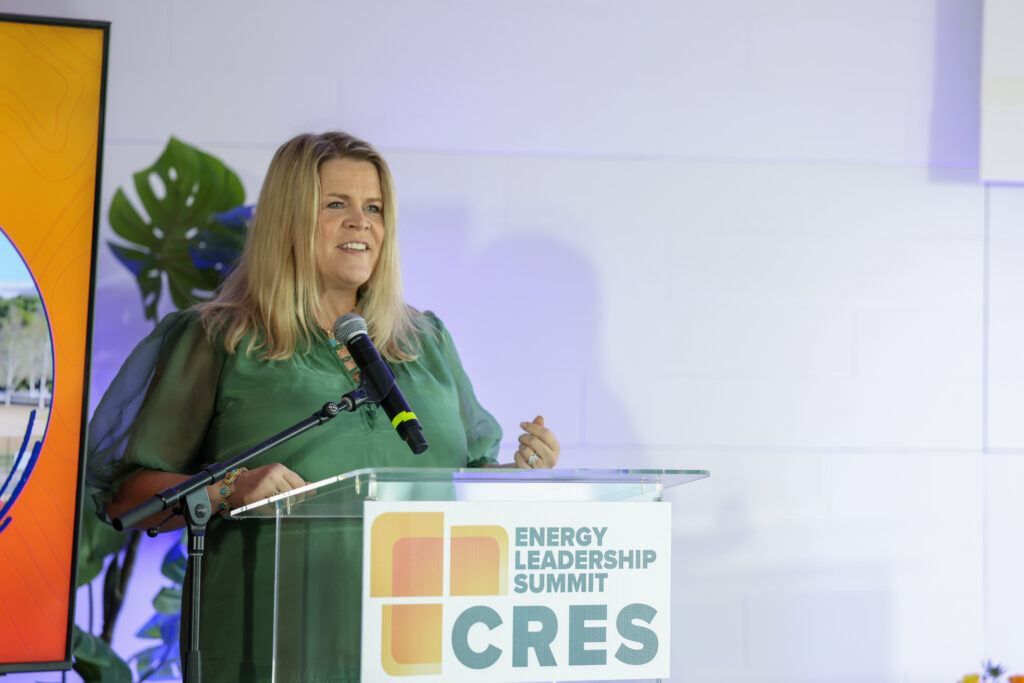
CRES President and CEO Heather Reams opened the Summit thanking speakers, supporters and participants for joining and underscored the work CRES is doing to promote all-of-the-above energy.
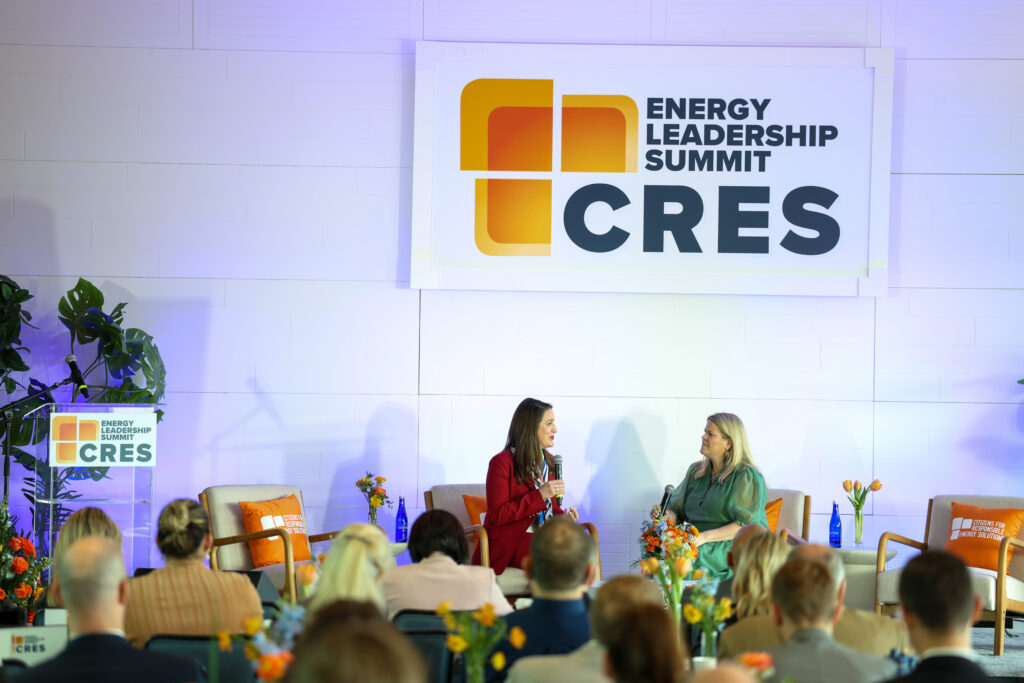
To kick off the day’s conversations Reams sat down with Audrey Robertson, Assistant Secretary of Energy for Critical Minerals and Energy Innovation at the U.S. Department of Energy (DOE), for an armchair discussion on how DOE is working to prioritize the administration’s energy dominance agenda, lower energy prices for consumers, bolster U.S. manufacturing and compete in the global energy race.
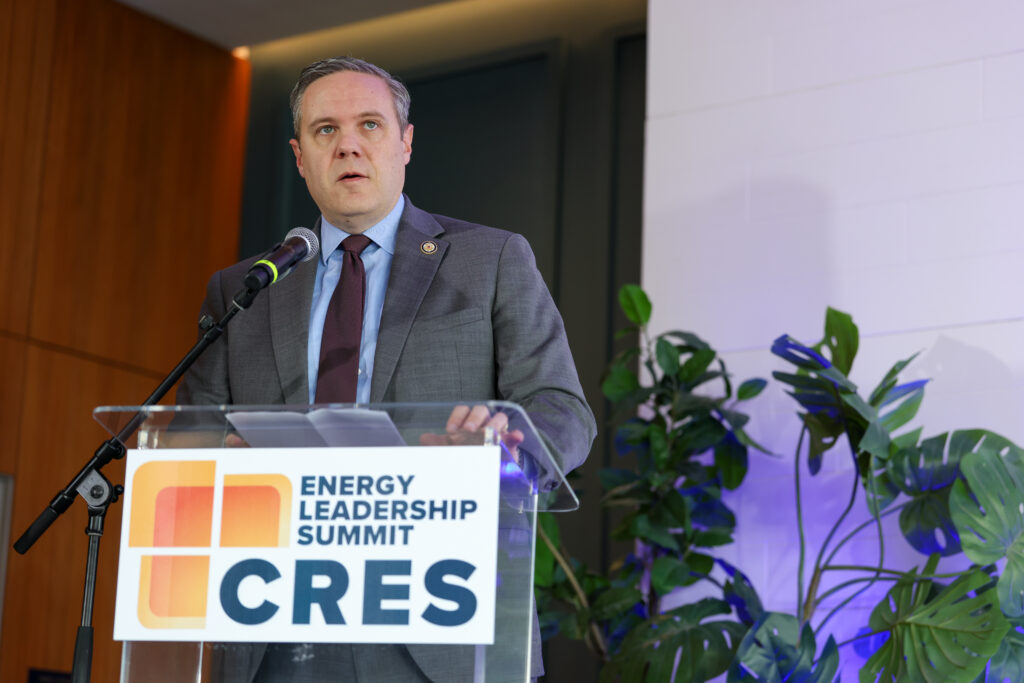
Following Reams and Assistant Secretary Robertson, Rep. Jeff Hurd (R-Colo.) delivered remarks discussing the importance of clean energy usage to ensure a sustainable environment and stable water sources for Western states like Colorado. He also underscored the importance of energy dominance when competing with China and other adversaries to protect U.S. national security.
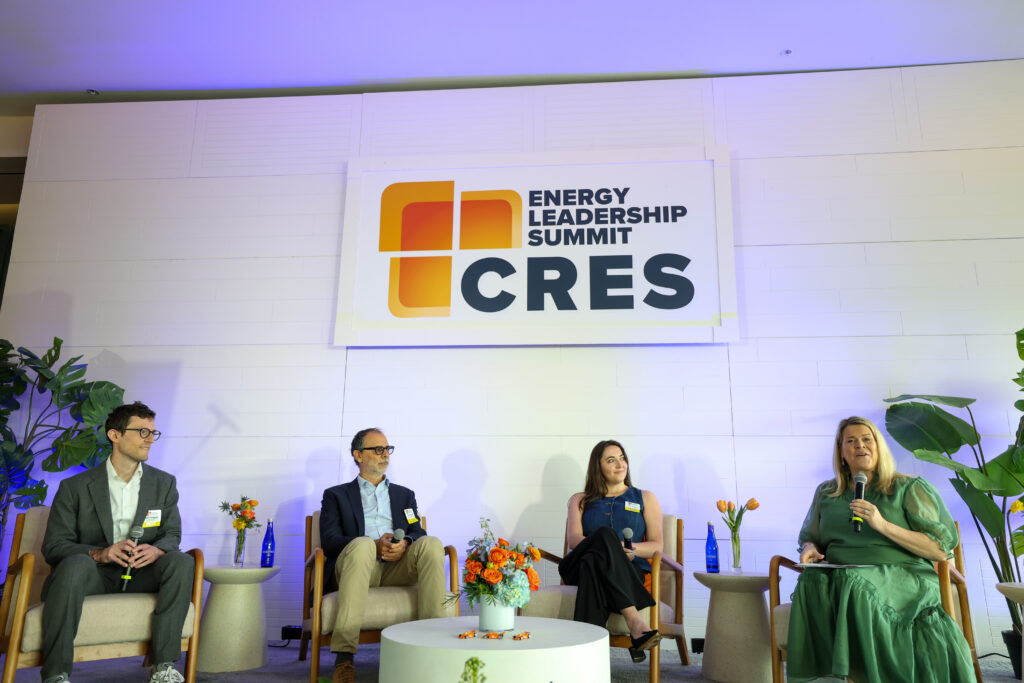
In a change of pace, CRES President and CEO Heather Reams took the moderator’s seat for a panel titled, “Setting the Race: Media Perspective on the State of Energy Policy,” featuring energy beat reporters. The conversation explored the policy landscape heading into the end of the year and the 120th Congress, with particular attention to how emerging issues like AI, manufacturing and energy affordability are shaping the political conversation. Speakers included Josh Siegel, reporter at Politico; Evan Halper, business reporter at the Washington Post; and Callie Patteson, energy and environment reporter with the Washington Examiner.
Following the panel, Gregory A. Beard, Director of the Office of Energy Dominance Financing at DOE, and Holland and Knight’s Taite McDonald joined each other for an armchair discussion analyzing the energy actions, top priorities and current wins of the Trump Administration.
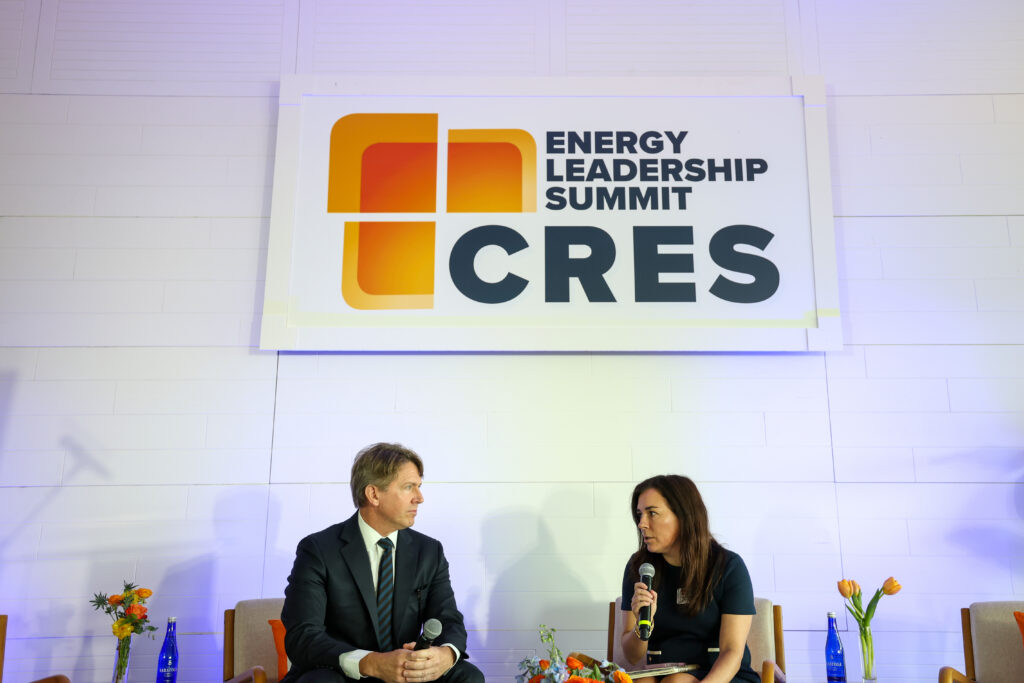
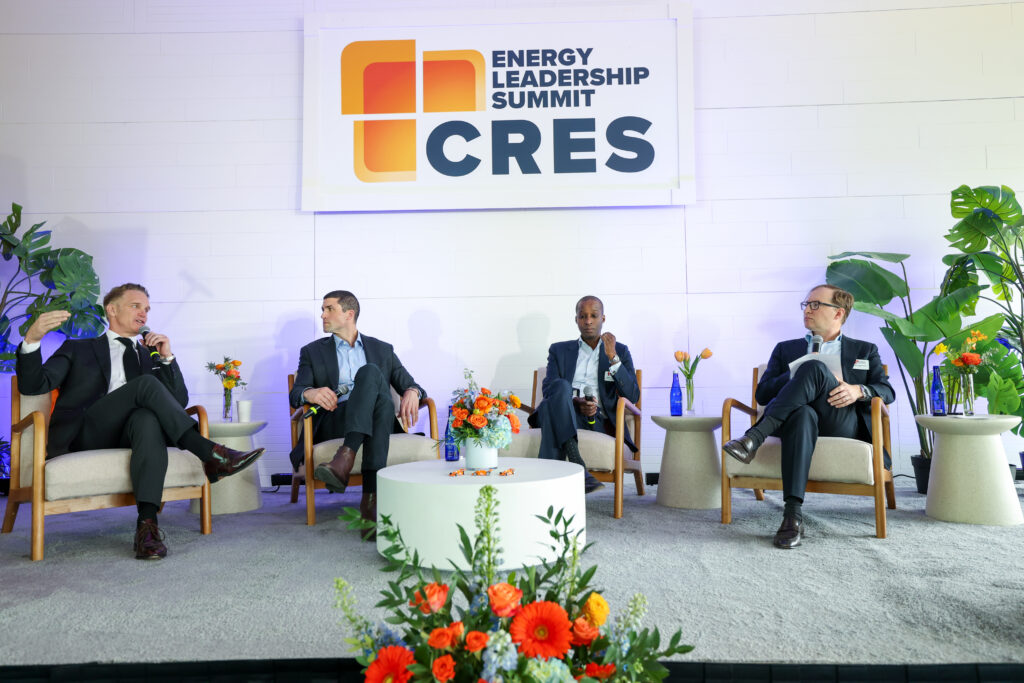
Industry experts then took the stage for a panel titled, “Accelerating Energy Affordability: The Role of Permitting Reform & Business Certainty.” They explored how prioritizing permitting reform and fostering business certainty can expedite energy deployments, lower costs and boost U.S. competitiveness as the country races to lead in energy, AI and advanced manufacturing. Speakers included Steve McBee, Founder & CEO of Huck Capital; Alfred Johnson, Founder & CEO at Crux; Will Demas, Senior Managing Director & Head of Americas at Macquarie Group; and moderator Greg Kantrowitz, Head of Clean Energy Transition at Citi.
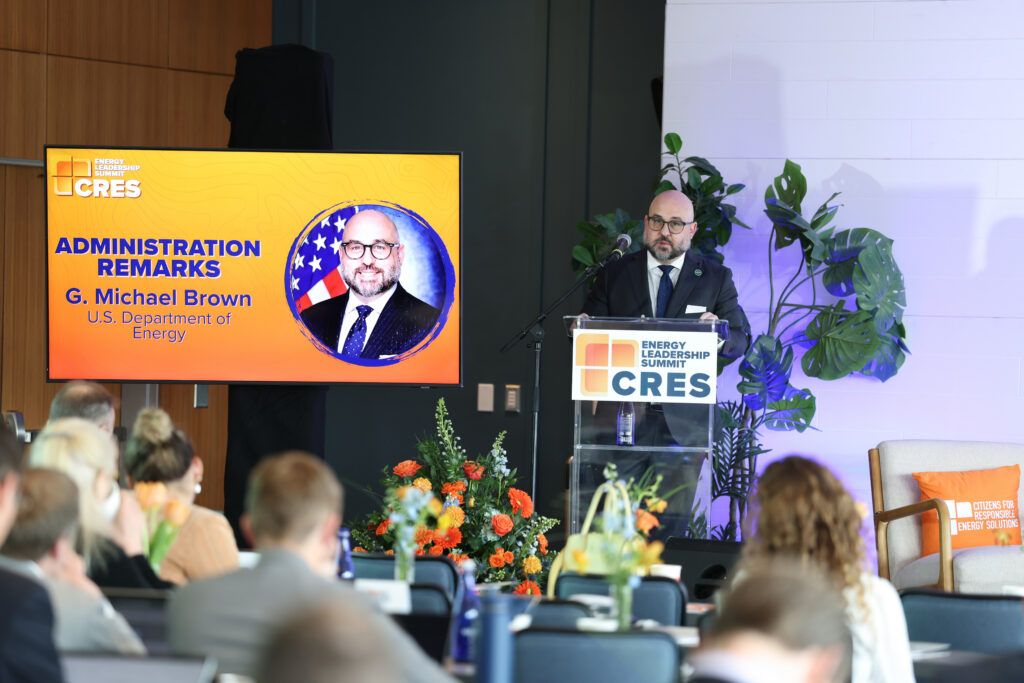
Following the panel, G. Michael Brown, Deputy Chief of Staff for Operations at DOE, offered remarks expressing the urgency of American energy dominance and how the current administration is working to undo damaging policies and promote reliable energy solutions.
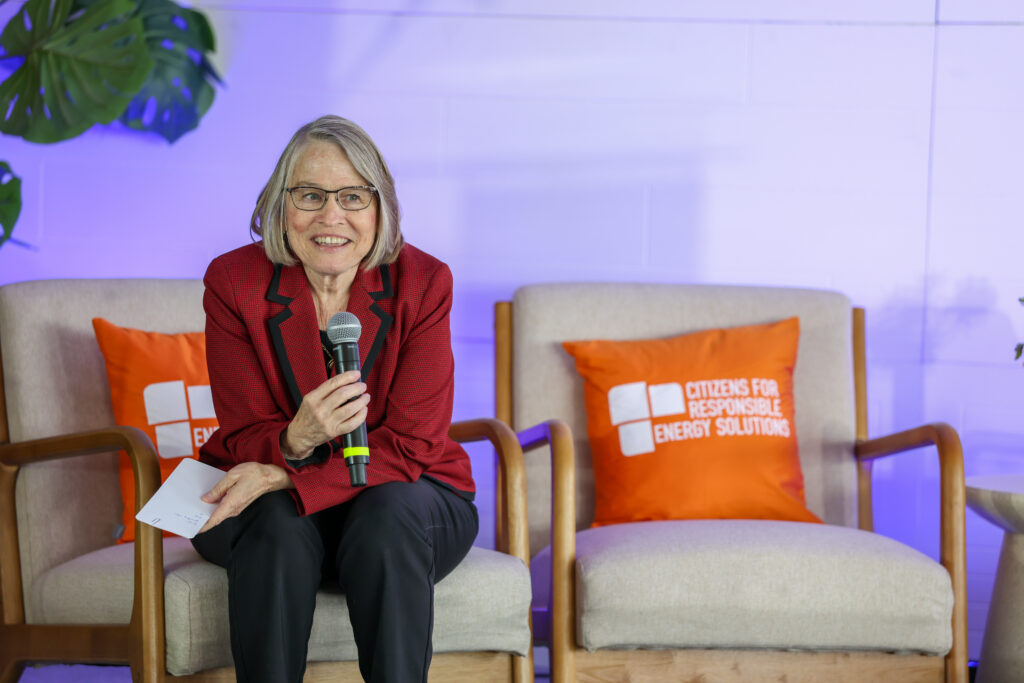
Kicking off the afternoon sessions, three members of Congress, Rep. Mariannette Miller-Meeks (R-Iowa), Rep. Gabe Evans (R-Colo.) and Rep. Bob Latta (R-Ohio), joined the summit delivering remarks on their diverse views and perspectives addressing energy policies impacting their districts. They discussed how critical legislation such as permitting reform is an absolute necessity in the race to energy dominance and the importance of sustainable, commonsense solutions to meet America’s rapidly growing energy demand.
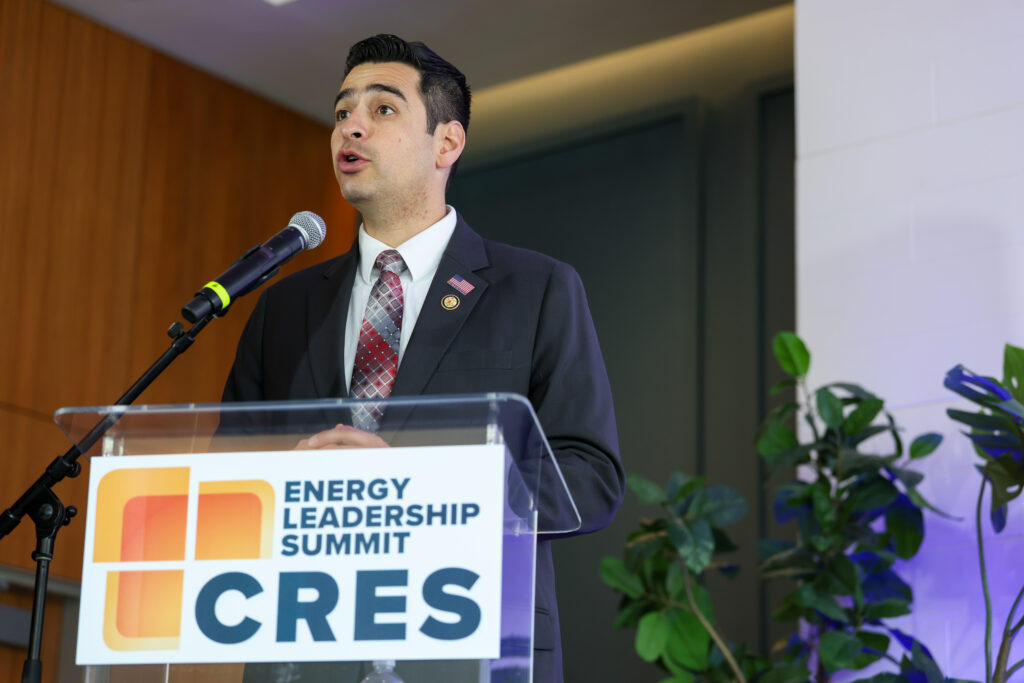
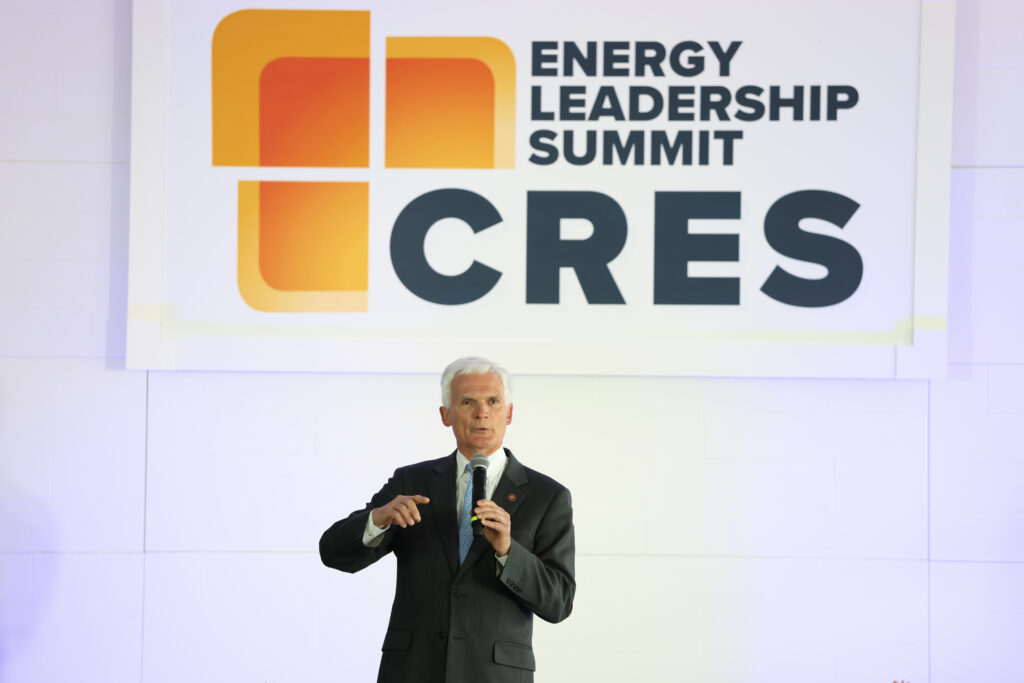
Following Congressional remarks, industry leaders working across the innovation pipeline joined the stage for a Smart Brevity session titled, “Building it Better: Strengthening Domestic Supply Chains & Manufacturing.” They discussed supply chain chokepoints, policies that support domestic growth and reforms that can help the U.S. maintain its competitive edge — a major focus of the Trump Administration’s economic agenda. Speakers included Roger Martella, Chief Corporate Officer & Chief Sustainability Officer at GE Vernova; Jessica Carter, Head of Federal Government Affairs with Ford Motor Company; Judy Brown, Head of External Affairs, Americas at South32; Erik Milito, President of the National Ocean Industries Association; Sara Eisemann, Director of Federal Policy at Form Energy; and Tommy Reynolds, Director of Government Relations at CRES as the moderator.
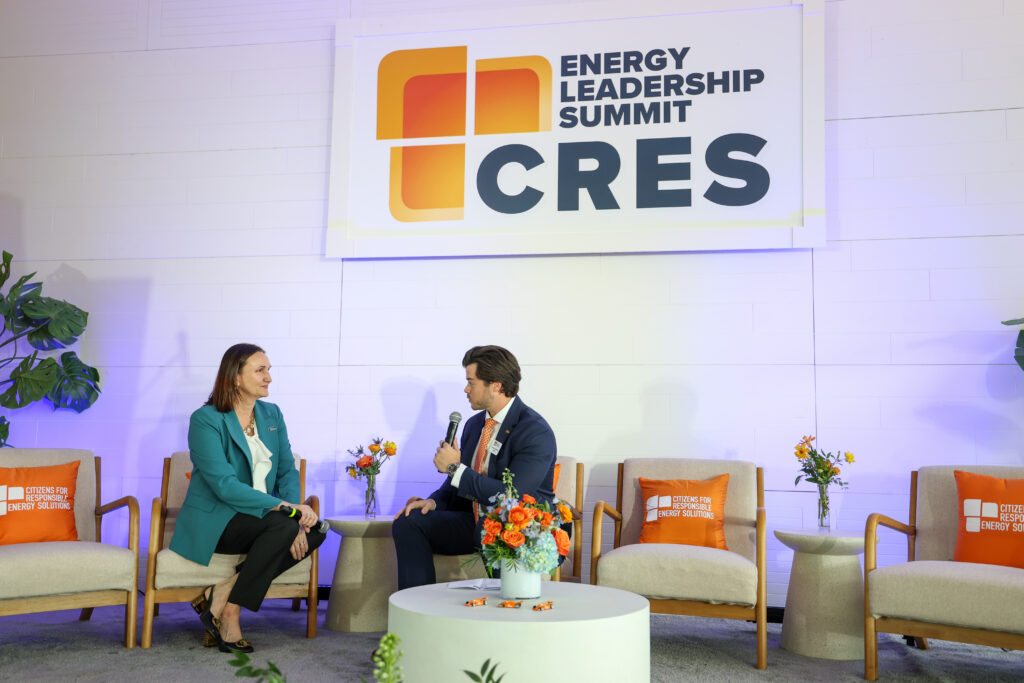
Following the panel, Director of Congressional Policy at CRES Michael Yancey and Jim Masso, President and CEO of Process Automation at Honeywell hosted an armchair discussion. Together, they dove into the challenges and successes of private sector clean energy innovation, manufacturing and American competitiveness.
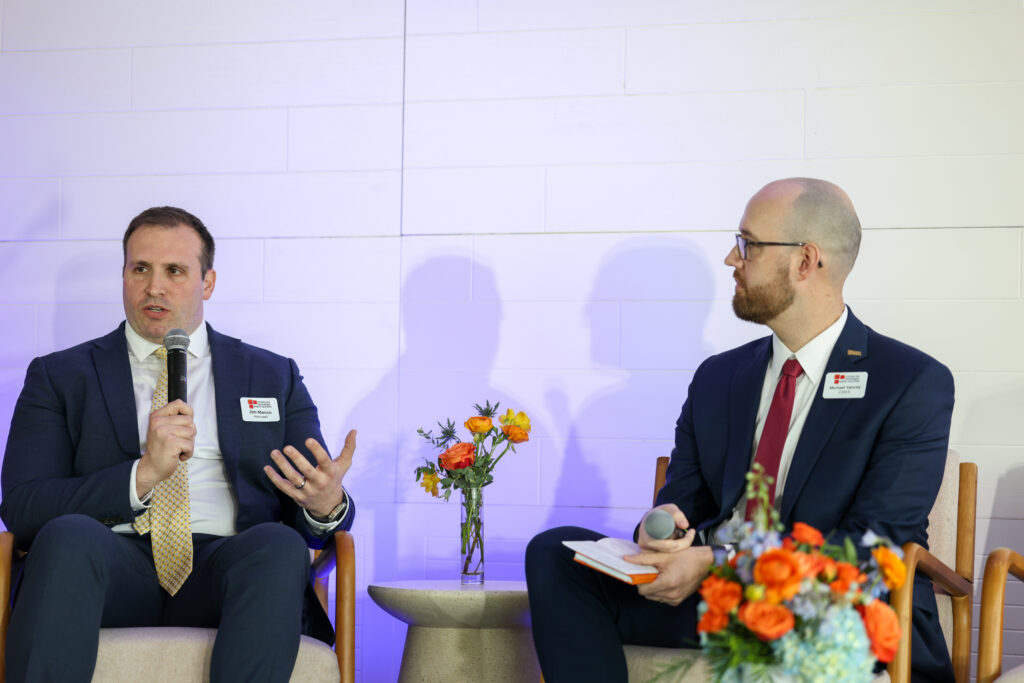
Yancey then welcomed to the stage speakers for a panel he moderated titled, “Maximizing Innovation: Powering Ahead with New Technologies,” where participants discussed the challenges of scaling new energy technologies to market and how to maximize deployment through smart federal policy. Speakers included Andrew Wills, Senior Vice President of Federal Affairs at Invenergy; Sarah Griffiths, Vice President of Government & Regulatory Affairs at Hydrostor Inc.; and Jackie Siebens, Vice President of Public Affairs with Helion Energy.Your Attractive Heading
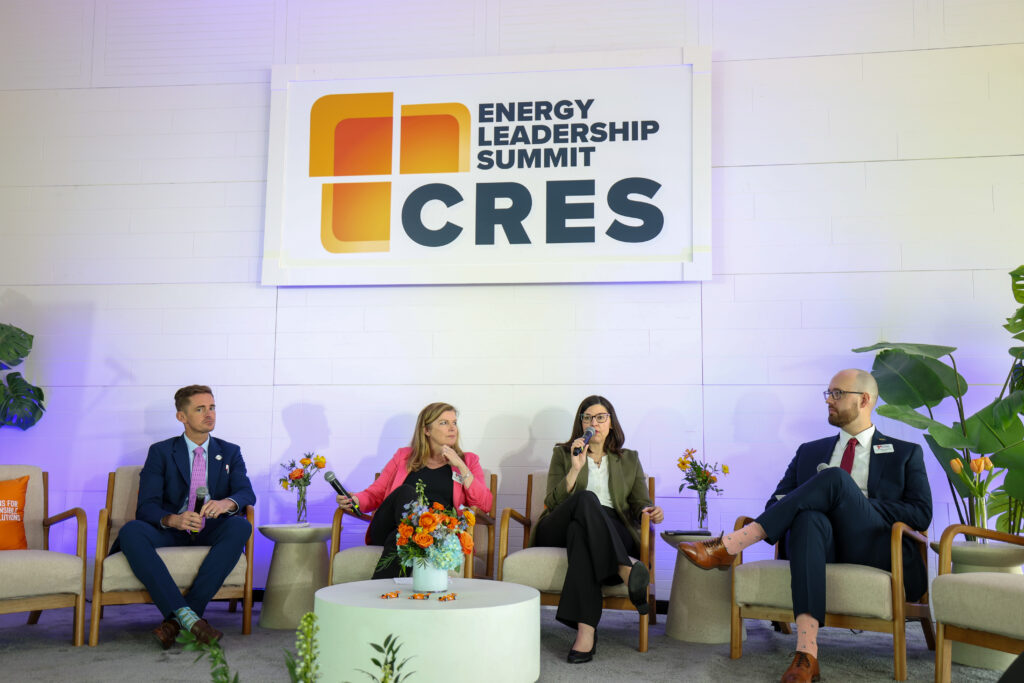
In a Smart Brevity session, fuel industry leaders then joined a panel titled, “Fueling Future Growth: Ensuring Energy Security and Export Dominance.” They examined how America can leverage its diverse energy resources, from natural gas and biofuels to clean hydrogen and ammonia, to meet rising global demand, counter competition from China and secure long-term economic leadership. Speakers included Emily Skor, CEO of Growth Energy; Dr. Paula Gant, President and CEO of GTI Energy; Lee Beck, Chief Policy Officer for Global Policy and Commercial Strategy at HIF Global; Nate Teti, Vice President and Head of the Washington DC Office and U.S. Government and Public Affairs at Equinor; and Rebecca Lorenzen Director of Policy at CRES moderating the session.
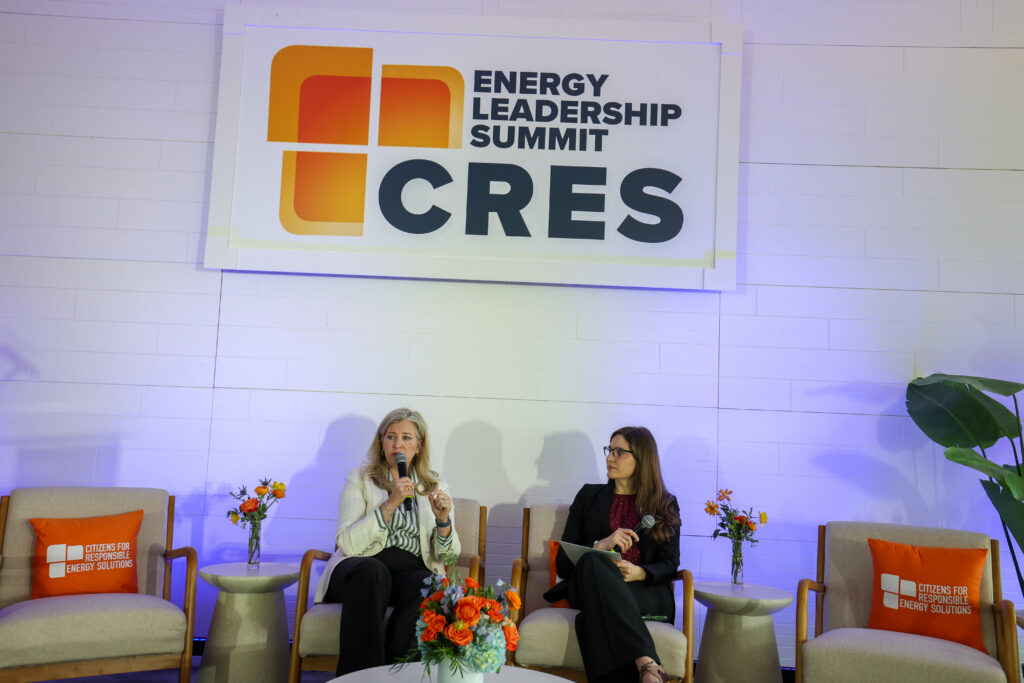
Following the fuel panel, Rep. Pete Stauber (R-Minn.) joined the Summit. He delivered remarks outlining how important energy solutions are to rising demand and discussed Minnesota’s efforts to bolster mining, critical mineral production and U.S. domestic manufacturing.
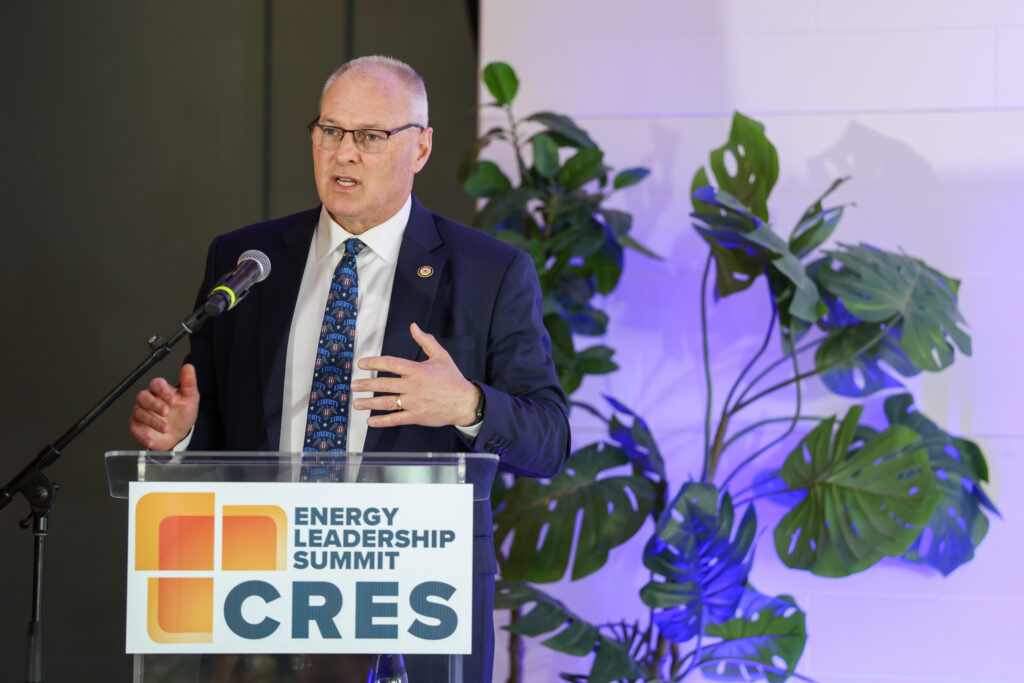
An armchair discussion then took place between Katherine Scarlett, Chairman, Council on Environmental Quality at the White House, and CRES Forum’s Senior Policy Fellow Marty Hall. They dove into the necessity of NEPA reforms and what the White House is doing to ensure President Trump’s energy dominance agenda is maintained and is ultimately successful.
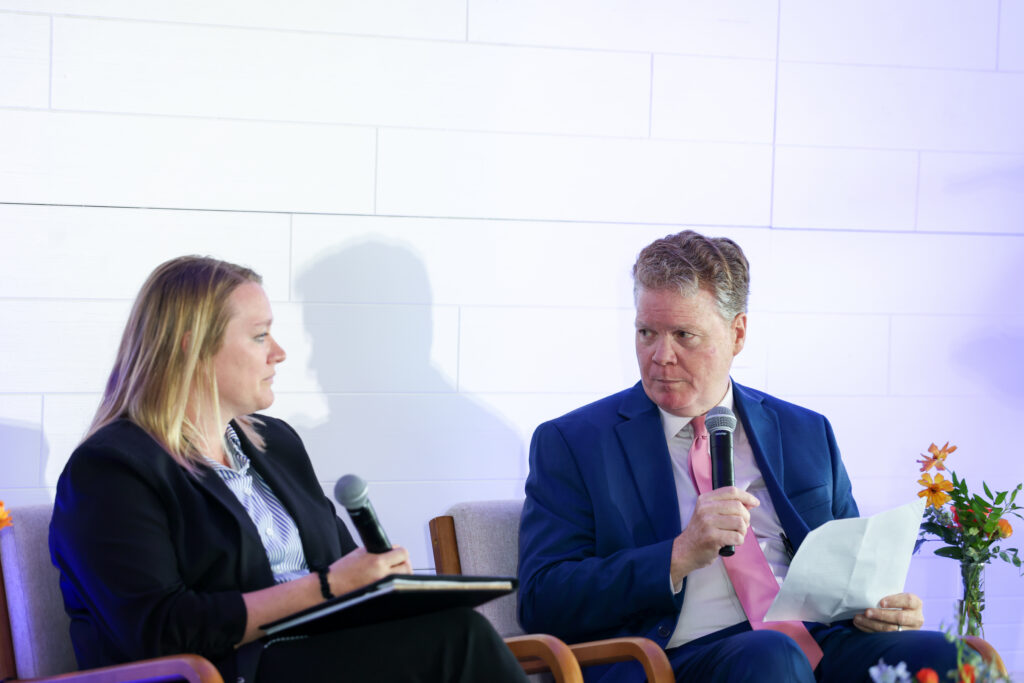
The Summit’s closing panel titled, “Winning Tomorrow: Responsibly Scaling Energy Resources for AI Dominance,” examined one of the most pressing challenges facing the energy sector: meeting the massive, reliable and affordable energy demands of the AI revolution. AI hyperscalers, project developers, utilities and policymakers explored how industry partnerships, technological innovation and policy reform can position America as the undisputed leader in AI-driven economic and technological dominance. Speakers for this panel included Dale Hobbie, Founder and Managing Director of Quantum HPC Infrastructure LLC; David Brown, Senior Vice President of Federal Government Affairs & Public Policy at Constellation; Yvonne McIntyre, Vice President of Federal Affairs at Pacific Gas and Electric Company; Michael Leahy, Vice President of Federal Government Affairs at Chevron; Charles Hernick, Head of Energy and Environmental Policy with Amazon; and former U.S. Representative of Lousiana Garret Graves as the moderator.

CRES is proud to partner with Members and Administration officials who understand the importance of advancing durable energy policies that support all forms of domestic production—and the critical role Republicans play in these conversations. As we look to the future, CRES will continue to advocate for these efforts to bolster American energy security, encourage economic growth and build a cleaner future for generations to come.
CRES is also grateful to our many supporters, especially our Platinum Supporters, Constellation, PG&E and Pattern Energy, our Gold Supporters ExxonMobil and Invenergy, and our Silver Supporters, Advantage Capital, Advantage Renewables, Chevron, CIP, GE Vernova, Honeywell, Nexans, Orsted and Topsoe. Their support makes our work and events like this possible!
If you are interested in being a supporter of CRES, please contact us at [email protected].
We look forward to seeing you next year!